
Hire Experts for Bitumen and Rubber Roof Waterproofing Costs in South Africa and Affordable Bitumen Waterproofing Price per m2
Protecting your property from water damage with Bitumen and Rubber Roof Waterproofing Costs in South Africa can be costly. Prices vary greatly across different quotes. Let’s explore why this happens and what you can expect to pay.
Figures for roof waterproofing cost per square meter South Africa differ wildly between contractors. This guide aims to clear up the confusion and help you make informed decisions.
At Handyman Johannesburg, we’ve assisted many property owners with waterproofing choices. Standard applications typically cost R70 to R250 per square metre. Specialised systems are pricier.
Spray-on methods range from R300 to R600 per square metre. Torch-on applications cost between R200 and R500 per square metre.
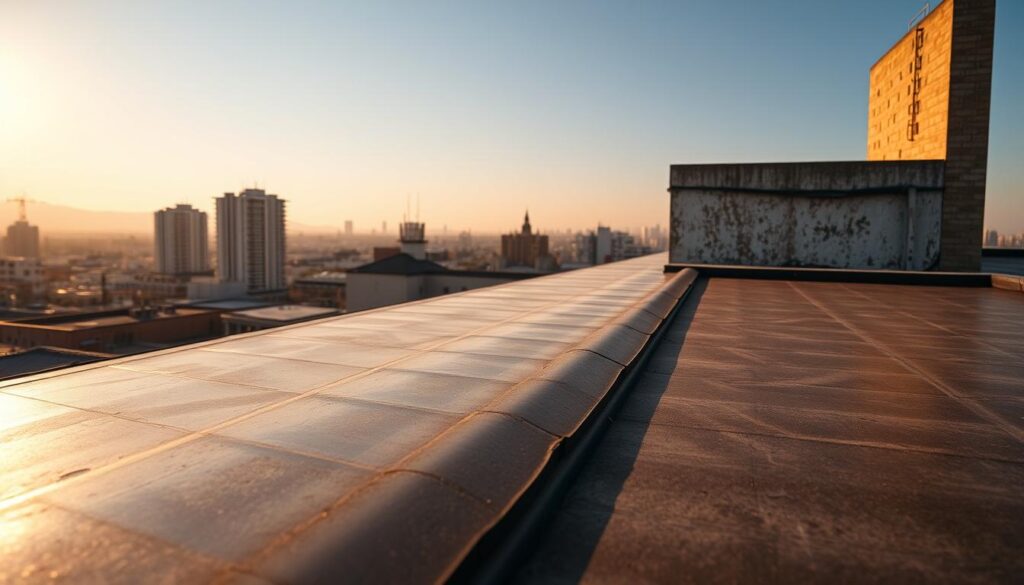
Location affects pricing too. Johannesburg’s northern suburbs see rates of R400 to R600 per square metre. Pretoria offers more competitive pricing, ranging from R350 to R550 per square metre.
Well-installed systems can last 10-15 years. Quality moisture protection is crucial, whether you’re in rainy Cape Town or stormy Johannesburg.
Understanding the average cost to waterproof a roof is vital. It helps you make smart choices about this important investment in your property – Contact Us
Understanding Your Waterproofing Options in South Africa – Bitumen and Rubber Roof Waterproofing Costs in South Africa
Every roof in South Africa has a unique story. Choosing the right waterproofing solution requires knowledge of traditional and modern approaches. The industry has grown, offering reliable choices for various budgets, roof types, and climate challenges.
We’ve installed many waterproofing systems across Gauteng and South Africa. Our experience shows that each property needs careful consideration. The two main waterproofing technologies are bitumen-based systems and rubber-based systems.
Knowing these options helps you talk to contractors effectively. It ensures you get solutions that fit your needs, not one-size-fits-all suggestions. Let’s explore what makes each system work well.
What Is Bitumen Waterproofing?
Bitumen waterproofing is a tried-and-true method that’s protected South African roofs for decades. This asphalt-based material creates a tough barrier against water. It works well in our country’s intense UV and temperature changes.
The material is made from refined petroleum products and additives. Traditional bitumen is great for waterproofing. Modern modified bitumen systems add rubber or plastic for better flexibility and crack resistance.

Bitumen waterproofing has two main application methods. The torch-on method uses heat to weld rolls of membrane to the roof. It’s great for commercial flat roofs and concrete surfaces.
Torch on waterproofing prices south africa range from R300 to R550 per square metre in Gauteng. This reflects the special equipment and expertise needed. The second method uses spray-on or liquid bitumen as a seamless coating.
This approach costs between R200 and R600 per square metre. It depends on product quality and site conditions. Spray-on works well for complex roof shapes or areas with many penetrations.
As bitumen waterproofing specialists johannesburg, we’ve seen how well these systems work. The advantages include:
- Exceptional durability: Properly maintained bitumen roofs last 10 to 15 years, often exceeding expectations in South African conditions
- Superior UV resistance: The material naturally withstands intense sunlight without degrading rapidly
- Excellent adhesion: Creates permanent bonds with concrete, masonry, and prepared surfaces
- Proven track record: Decades of successful installations demonstrate reliability
- Cost-effective longevity: Higher initial investment delivers excellent cost-per-year value
The torch-on membrane installation cost includes materials and expert application. It needs proper safety measures, special tools, and skilled workers. They must know about seam overlapping, edge details, and flashing.
Modified bitumen is an improved version of traditional asphalt. It uses APP or SBP polymers for better flexibility and temperature performance. Modified bitumen roofing system cost is higher, but often worth it for tough jobs.
Bitumen systems work best on flat roofs, concrete surfaces, and commercial buildings. Their thickness and multi-layer application provide extra protection against water damage.
What Is Rubber Waterproofing?
Rubber waterproofing is a modern roof protection method. It’s popular in South Africa for its versatility and performance. Liquid rubber waterproofing price south africa refers to systems that solve many traditional waterproofing problems.
“Rubber waterproofing” includes several technologies. Liquid rubber coatings form flexible membranes. EPDM rubber comes in sheets. Advanced liquid membranes use polyurethane or silicone for top performance.
Rubber systems offer seamless application. Unlike torch-on membranes, liquid rubber forms continuous barriers without weak spots. This works well for roofs with many penetrations or unusual shapes.
Prices vary based on product and application method. Basic liquid rubber waterproofing price south africa starts at R150 per square metre. Premium systems can cost R300 or more per square metre.
Handyman Johannesburg sees growing demand for rubber waterproofing. Homeowners like its performance and flexibility. Here are the main advantages:
- Exceptional flexibility: Rubber systems expand and contract with temperature changes without cracking or losing adhesion
- Seamless protection: Liquid applications create continuous barriers without joins or potential weak points
- Application versatility: Can be brushed, rolled, or sprayed depending on project requirements and roof complexity
- Complex shape accommodation: Easily applied to irregular surfaces, curves, and roofs with numerous penetrations
- Colour options: Available in various colours for exposed roofs where aesthetics matter
Many rubber formulations are eco-friendly waterproofing options. They have low VOC content, which is better for the environment. This feature is increasingly important to South African homeowners.
The polyurethane waterproofing cost is higher but offers excellent UV resistance and longevity. These systems create tough, elastic membranes that withstand harsh sun and temperature changes.
Some rubber waterproofing provides thermal benefits. Reflective pigments can reduce heat absorption and lower cooling costs. The thermal roof coatings price includes this energy-saving technology.
Application methods affect cost and performance. Spray application is quick and even. Brush or roller application suits smaller projects. We recommend professional installation for best results, especially with premium products.
Rubber systems work well on metal roofs, concrete, existing bitumen, and prepared tiles. This versatility makes them great for various projects, including waterproofing for metal roofs cost considerations.
Which System Works Best for Your Roof?
Choosing between bitumen and rubber waterproofing is crucial for property owners. At Handyman Johannesburg, we’ve assessed thousands of roofs across South Africa. Our experience shows that the best system depends on your specific situation.
Roof type greatly influences which waterproofing method works best. Flat concrete roofs often do well with torch-on bitumen systems. These provide robust, multi-layer protection that handles ponding water effectively.
The concrete roof waterproofing price for torch-on systems ranges from R300 to R550 per square metre. This reflects the long-lasting solution these installations provide.
Metal IBR roofs need systems that move with temperature changes. Liquid rubber systems excel here, flexing with the metal while staying waterproof. The ibr roof waterproofing cost using liquid rubber typically ranges from R95 to R220 per square metre.
Tiled roofs need waterproofing beneath the tiles. This process is different and more labour-intensive. The tile roof waterproofing prices range from R125 to R230 per square metre.
| Roof Type | Best System | Price Range (per m²) | Key Advantage |
|---|---|---|---|
| Flat Concrete | Torch-on Bitumen | R295 – R480 | Superior durability and ponding water resistance |
| Metal IBR | Liquid Rubber | R95 – R220 | Accommodates thermal expansion effectively |
| Tiled Roofs | Membrane Systems | R125 – R230 | Works beneath tiles for hidden protection |
| Complex Shapes | Liquid Rubber/Polyurethane | R150 – R300 | Seamless application for irregular surfaces |
Roof pitch affects system choice and performance. Flat roofs need solutions that handle ponding water. The flat roof waterproofing cost reflects these tougher requirements. Pitched roofs may allow for more cost-effective options.
Budget is important. Understanding the compare rubber vs bitumen waterproofing cost helps make informed choices. Liquid rubber often offers better value for smaller projects. It starts around R150 per square metre compared to R300-plus for torch-on bitumen.
Long-term value matters more than initial price. A torch-on system lasting 15 years may be better than a cheap coating needing replacement after 5 years. We calculate cost-per-year for clearer comparisons.
Don’t choose based only on price-per-square-metre. Consider your roof type, budget, aesthetics, and long-term plans. We offer free assessments to evaluate your roof and recommend the best system for you.
Waterproofing protects your valuable property. Take time to understand options and work with experienced professionals. This ensures you get the protection and value you deserve for years to come.
Bitumen and Rubber Roof Waterproofing Costs in South Africa
Transparency in waterproofing costs is crucial for informed decision-making. We’ve broken down the pricing into clear categories. This helps you understand where your money goes.
Waterproofing prices vary based on material type, roof size, and surface condition. We provide specific price ranges reflecting current market rates across South Africa. This approach helps you budget accurately for your project.
Bitumen Waterproofing Price Breakdown
Bitumen systems have protected South African roofs for decades. They offer exceptional durability, especially on flat commercial roofs and large residential applications. The bitumen waterproofing price per m2 typically ranges from R200 to R500.
Most installations in Gauteng average between R300 and R400 per square metre. Surface preparation costs R20-R50 per square metre, depending on your roof’s condition. Damaged surfaces need repairs, cleaning, and sometimes levelling before waterproofing begins.
Primer application adds R15-R30 per square metre. This ensures proper adhesion between your roof surface and the waterproofing membrane. Skipping this step compromises the entire system’s effectiveness.
Torch-On Waterproofing Prices
Torch-on systems are the gold standard for bitumen waterproofing. Prices vary based on membrane quality and installation complexity. Single-ply membranes cost R100-R200 per square metre for materials.
Premium multi-ply systems range from R200-R300 per square metre. Labour costs for torch-on installation typically run R80-R150 per square metre. This reflects the specialised skills required—certified waterproofing installers work with open flames and follow strict safety protocols.
Roof size significantly affects your per-metre pricing. A 200-square-metre roof benefits from economies of scale. A 20-square-metre balcony costs more per square metre due to setup time and minimum charges.
Accessibility also matters—second-storey roofs or difficult access points can add 15-25% to your total cost. Here’s an example: An 80-square-metre flat garage roof in Johannesburg costs R24,000-R32,000 for quality torch-on waterproofing.
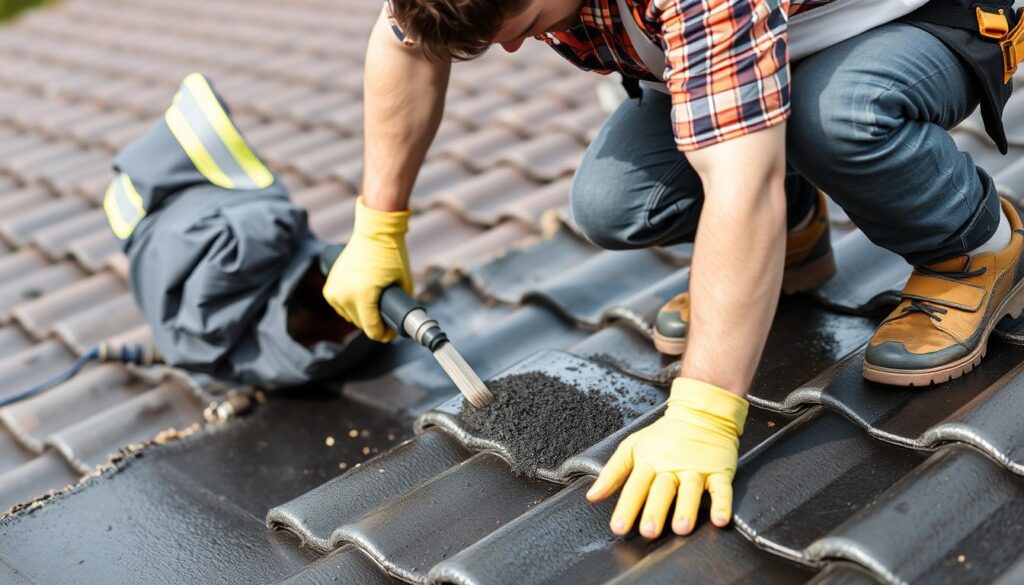
Waterproofing warranty information is crucial for your investment. Premium torch-on installations with 10-15 year warranties cost more upfront. However, they provide genuine peace of mind. We recommend choosing certified installers who offer comprehensive warranties.
Modified Bitumen Systems
Modified bitumen systems incorporate polymers that enhance traditional bitumen’s properties. These formulations offer improved flexibility, UV resistance, and temperature performance. Pricing typically ranges from R350-R500 per square metre installed.
APP (Atactic Polypropylene) modified systems work brilliantly in South Africa’s hot climate. They resist high temperatures and UV degradation better than standard bitumen. SBS (Styrene-Butadiene-Styrene) modified systems offer superior flexibility in colder regions.
The costs for modified systems reflect their enhanced performance. You’re paying for longer service life, better weather resistance, and reduced maintenance requirements.
Rubber Waterproofing Price Breakdown
Rubber waterproofing systems are popular among South African homeowners. They offer professional protection at moderate cost. The liquid rubber waterproofing price typically ranges from R150 to R300 per square metre.
These systems suit various applications beautifully. We recommend rubber waterproofing for pitched roofs, metal roofs, balconies, and smaller surface areas. Their versatility and value make them ideal for many residential projects.
Liquid Rubber Waterproofing Costs
Liquid rubber products deliver seamless protection without complex installation. Material costs range from R85 to R180 per litre. Acrylic formulations are cheaper, while advanced polyurethane products command premium prices.
Coverage rates impact your project cost. One litre typically covers 1.5-2 square metres, depending on substrate porosity. Most applications require 2-3 coats for proper protection. Porous concrete absorbs more material than smooth surfaces.
Surface preparation and primer add R25-R50 per square metre. Application labour ranges from R50-R100 per square metre for roller or brush methods. Spray application costs R80-R150 per square metre but covers large areas quickly.
Detail work around edges, penetrations, and drains adds R30-R60 per square metre. These areas require extra attention to prevent leaks. We never rush detail work—it’s where most waterproofing failures occur.
Here’s a real-world example: A 60-square-metre residential flat roof in Pretoria costs R9,000-R15,000. This includes surface preparation, premium materials, professional application, and a five-year workmanship warranty.
The cost to seal a roof varies with complexity. Simple rectangular roofs cost less than those with skylights or unusual shapes. Each penetration requires careful detailing that adds labour time.
Colour choice affects pricing too. Tinted products cost 10-15% more than standard grey or white finishes. Performance additives increase cost but deliver real value. We help you choose the right product for your needs.
EPDM Rubber Membrane Pricing
EPDM rubber membranes offer exceptional longevity and performance. These synthetic rubber sheets resist UV degradation, ozone, and temperature extremes. Installed pricing ranges from R280 to R450 per square metre.
EPDM membranes come in large sheets that installers carefully position and adhere to your roof. Seams receive special attention—proper sealing prevents water infiltration. The cost includes membrane material, adhesives, fasteners, and skilled labour.
This system works well for flat roofs with minimal penetrations. The seamless coverage reduces potential leak points. EPDM’s 20-30 year service life justifies the higher initial investment for many property owners.
For a 100m2 roof using EPDM, expect costs between R28,000 and R45,000. This includes preparation, materials, labour, and finishing details. EPDM specialists typically charge R1,500-R2,500 per day, with most 100-square-metre roofs taking 2-4 days.
| Waterproofing System | Price Range (per m²) | Best Applications | Expected Lifespan |
|---|---|---|---|
| Torch-On Bitumen (Standard) | R200 – R400 | Large flat roofs, commercial buildings, high-traffic areas | 10-15 years |
| Modified Bitumen Systems | R350 – R500 | Extreme weather exposure, premium installations | 15-20 years |
| Liquid Rubber (Acrylic) | R150 – R250 | Residential roofs, metal roofs, DIY-friendly projects | 5-10 years |
| Liquid Rubber (Polyurethane) | R250 – R300 | High-performance residential, pitched roofs | 10-15 years |
| EPDM Rubber Membrane | R280 – R450 | Flat roofs, minimal penetrations, long-term investment | 20-30 years |
These detailed cost breakdowns help you evaluate quotes intelligently. You’ll recognise whether contractors have included proper preparation, quality materials, and adequate labour. Informed clients make better decisions and achieve superior results.
Waterproofing supplies are just one part of your total investment. Professional installation by experienced specialists ensures optimal performance. Cutting corners often leads to premature failures and costly repairs.
Key Factors That Affect Your Waterproofing Budget – Bitumen and Rubber Roof Waterproofing Costs in South Africa
Every roof has unique features that impact waterproofing costs. Personalised quotes are vital for accurate budgeting. The cost to waterproof a 100m2 roof depends on more than just size.
At Handyman Johannesburg, we assess many project-specific variables during roof inspections. Understanding these factors helps set realistic expectations. It also explains why similar roofs might receive different quotes.
These considerations determine your final waterproofing investment. They ensure you receive accurate pricing from the start.
Roof Size and Complexity
Roof size significantly influences per-metre pricing due to economies of scale. Larger projects benefit from lower costs. A 20m2 balcony might cost R350 per square metre for waterproofing.
In contrast, a 150m2 main roof might cost R220 per square metre. This pricing reflects practical realities, not arbitrary decisions.
Several factors explain these economies of scale. Setup costs remain similar regardless of project size. Material suppliers often provide quantity discounts on larger orders.
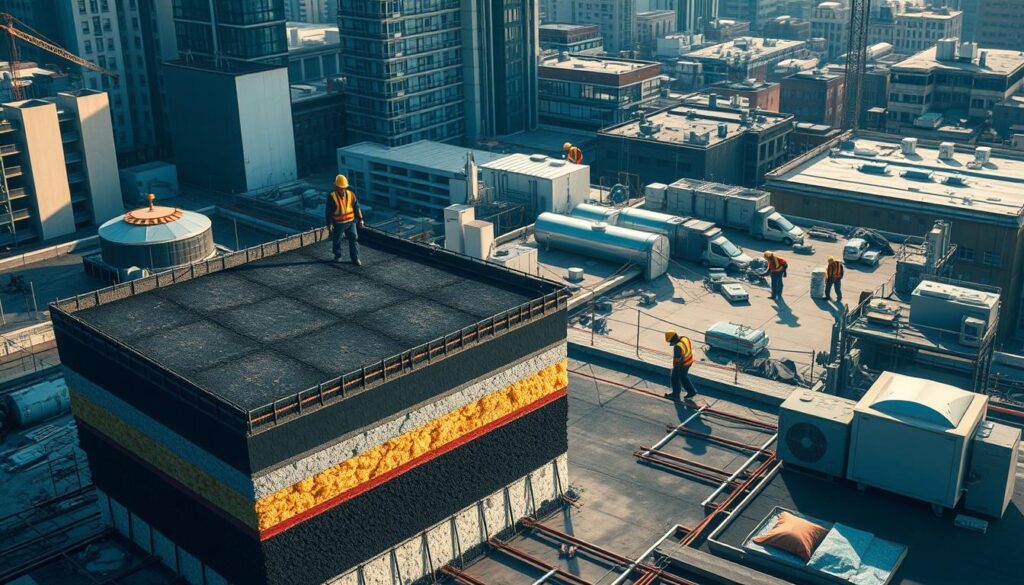
- A 25 square metre balcony with liquid rubber: R8,750 total (R350/sqm)
- A 60 square metre garage roof: R15,000 total (R250/sqm)
- A 200 square metre commercial flat roof: R44,000 total (R220/sqm)
Small projects under 30m2 typically cost 20-30% more per square metre. This is compared to larger projects between 100-200m2. This pricing structure represents industry standards across South Africa.
Beyond size, roof complexity dramatically impacts your waterproofing budget. Each vent pipe, chimney, or skylight adds time and materials. Creating watertight flashings around these features requires skilled work.
| Complexity Factor | Description | Additional Cost Impact |
|---|---|---|
| Vent Pipes (4 units) | Proper sealing around plumbing vents with specialised flashings | R800-R1,500 |
| Chimney Structures | Complex flashing requirements with stepped details and counter-flashings | R2,000-R4,000 |
| Multiple Levels | Additional edge details where roof sections meet at different heights | R80-R150 per linear metre |
| Parapet Walls | Careful membrane termination with mechanical fastening or adhesive systems | R100-R180 per linear metre |
| Box Gutters | Meticulous waterproofing of internal drainage channels with reinforced systems | R200-R350 per linear metre |
The waterproofing for parapet walls cost and box gutter waterproofing price are often overlooked. These features need special attention that basic roof waterproofing doesn’t cover.
Access difficulties further complicate projects and increase labour costs. Second or third storey roofs without crane access require manual material handling. This can add 15-25% to labour expenses.
Working around obstacles like solar panels slows productivity. Restricted access from narrow driveways limits equipment options. These factors can extend project timelines.
At Handyman Johannesburg, we inspect every roof thoroughly before quoting. This ensures all complexity elements are accounted for. There are no surprise costs later.
Before requesting quotes, do a simple self-assessment. Note your roof’s size, count significant penetrations, and consider access challenges. This helps contractors provide accurate quotes during initial consultations.
Surface Preparation Requirements
Your existing roof’s condition greatly affects waterproofing costs. Cutting corners on preparation leads to premature system failure. It’s false economy that property owners often regret.
You might receive two quotes—one for R35,000 and another for R28,000. The difference often lies in proper surface preparation. The lower quote might gloss over or ignore this crucial step.
We’ve seen many situations where cheaper quotes led to waterproofing failure within 2-3 years. Inadequate preparation caused these failures. It required complete re-waterproofing at additional expense.
Surface preparation involves several critical steps. Cleaning removes dirt, debris, and failed coatings. It costs R15-R30 per square metre depending on surface condition.
Repairs address underlying issues before waterproofing application. Fixing cracks or replacing damaged roof sheets costs R50-R150 per square metre. The extent of damage determines the final price.
The roof leak repair cost South Africa faces for active leaks must be addressed. Waterproofing over existing leaks only hides problems temporarily.
Levelling addresses depressions where water ponds. This is crucial for long-term system performance. Applying screed or levelling compound costs R80-R200 per square metre.
Removing failed waterproofing is a significant expense. Old systems require complete removal before applying new waterproofing. This costs R40-R120 per square metre depending on system type.
Priming enhances adhesion between substrate and waterproofing membrane. Primer costs range from R20-R45 per square metre. It dramatically improves system longevity.
Let’s be frank about preparation costs. If your roof is in excellent condition, preparation might only add R1,500-R2,500. However, an old concrete roof with multiple issues could add R3,000-R6,000 or more.
At Handyman Johannesburg, we prioritise transparency over winning bids with unrealistic pricing. We provide accurate quotes that include necessary preparation. This approach prevents surprise costs later.
The consequences of inadequate preparation appear quickly and expensively. Waterproofing applied over poorly prepared surfaces fails prematurely. Membranes don’t adhere properly, leading to delamination.
You end up paying for waterproofing twice within a few years. Proper installation delivers a 10-15 year lifespan. The cost to fix roof leaks permanently includes doing preparation work correctly.
Different roof types present specific preparation challenges:
- Metal roofs: Require rust treatment and appropriate primers (add R30-R80/sqm for proper preparation)
- Concrete roofs: With existing cementitious waterproofing often need high-pressure cleaning or complete removal (add R40-R100/sqm)
- Roofs with active leaks: Need leak detection and repair before waterproofing application (R1,500-R4,000 depending on number and accessibility)
- Structurally compromised roofs: Require addressing underlying issues before waterproofing (cost varies dramatically based on problem severity)
Our tone remains friendly but firm on this topic. We advocate for doing jobs right rather than taking shortcuts. Professional contractors understand that preparation determines system longevity.
When you receive quotes, ask what surface preparation requirements are included. A detailed quote should itemise preparation work. If a quote simply states “waterproofing”, ask for clarification.
Material Quality and Warranty Coverage
Not all waterproofing products are equal. Material quality impacts both initial costs and long-term value. Understanding these differences helps you evaluate quotes based on substance.
Waterproofing products in Johannesburg range from R80 to R400 per unit. What explains this price variation? Does it actually matter for your project?
Let’s break down quality tiers in accessible terms. Budget materials (R50-R100/sqm) have basic formulations. They might suit temporary solutions but typically need replacement within 3-5 years.
Mid-range materials (R100-R180/sqm) offer good performance. They deliver 7-10 years of reliable service when properly installed. This tier balances performance and cost effectively for most homeowners.
Premium materials (R180-R300/sqm) incorporate advanced polymers and superior UV resistance. These high-quality waterproofing materials often last 12-15+ years. They excel in demanding applications.
At Handyman Johannesburg, we educate clients about these differences. We help you select the material tier that makes sense for your situation. Context matters when making these decisions.
Evaluating material quality requires understanding key indicators. Check manufacturer reputation and technical specifications. Review independent testing data such as SABS approval.
Understanding warranty terms requires careful attention. When you receive a “10-year warranty,” ask what’s covered. Is it a product warranty? An installation warranty? Or both?
What actions void the warranty? Clear waterproofing warranty information prevents misunderstandings years later when you need service.
Our warranty approach emphasises transparency and comprehensive coverage. We provide written warranties that clearly state coverage scope and exclusions. We use products with substantial manufacturer backing.
The waterproofing guarantee South Africa property owners should expect includes clear documentation. Professional waterproofing applicators stand behind their work with meaningful warranties.
Let’s examine return on investment examples. A 100m2 roof with budget materials costs R15,000 total. It lasts 5 years, resulting in an annual cost of R3,000.
The same roof with premium materials costs R28,000. However, it lasts 12 years, resulting in an annual cost of R2,333. The premium option delivers better value over time.
Understanding how long should waterproofing last helps you evaluate quotes. Budget systems last 3-5 years, mid-range 7-10 years, and premium 12-15+ years.
We understand budget constraints affect decisions. Legitimate ways exist to reduce costs. These include phasing projects over time and choosing appropriate material tiers.
However, compromising on material quality rarely saves money long-term. The difference between mid-range and premium materials might be R8,000-R12,000. The extended lifespan justifies this investment.
Regional Price Variations Across South Africa
Your location within South Africa affects waterproofing costs significantly. Understanding regional pricing patterns prevents surprises. It helps you evaluate whether quotes reflect fair market rates.
Waterproofing a 100m2 roof in Sandton might cost R35,000. The same project in a smaller Free State town might cost R24,000.
Several factors drive these regional price variations. Major cities have higher costs reflecting higher operating expenses. Transport costs, labour rates, and business overheads all run higher.
Metro areas provide access to wider ranges of materials. This benefits property owners through product choice. However, it doesn’t necessarily reduce costs.
Gauteng waterproofing prices represent the baseline for South African discussions. Average pricing ranges from R200-R350 per square metre. Affluent northern suburbs can run 10-20% higher.
At Handyman Johannesburg, we operate throughout Gauteng with fair pricing. We provide consistent quality regardless of location. We don’t charge a “postcode premium”.
Western Cape roof repair costs align closely with Gauteng pricing. The marine environment requires more robust systems. Properties near the ocean can expect 10-15% higher costs.
KwaZulu-Natal waterproofing contractors typically charge 5-10% below Gauteng rates. However, the humid climate makes quality installation crucial. Waterproofing failures cause extensive damage rapidly.
Other provinces generally offer pricing 10-20% below major metropolitan areas. However, you may have fewer contractors to choose from. Carefully verify credentials and experience in smaller markets.
The urban versus rural pricing divide extends beyond simple cost differences. In smaller towns, attractively low quotes might seem tempting. Verify the contractor has proper training and uses quality materials.
Finding waterproofing specialists near me involves more than proximity. Request references from recent projects. Verify business registration and insurance coverage.
We at Handyman Johannesburg primarily serve Gauteng. However, we happily provide guidance for property owners elsewhere in South Africa. Our expertise extends beyond our immediate service area.
Bitumen and Rubber Roof Waterproofing Costs in South Africa: Conclusion
We’ve explored essential waterproofing systems in South Africa, including bitumen and rubber-based solutions. Costs range from R70 to R500 per square metre, depending on system type and roof complexity. Quality waterproofing is an investment that protects your property from costly water damage.
A proper installation can extend your roof’s lifespan by 10 to 15 years. Pricing varies based on roof characteristics, material choice, and contractor expertise. That’s why we offer a free waterproofing assessment to every property owner.
Our quotes provide transparent, itemised pricing for materials, labour, and preparation work. Our experienced team has completed thousands of projects across Gauteng using both systems. We back every installation with comprehensive written warranties.
Ready to protect your investment? Contact us today for a cost estimate and roof inspection. We’ll assess your roof’s condition and discuss suitable system options. Our team will provide a detailed written proposal with no pressure attached.
Our waterproofing specialists are ready to deliver lasting results at fair prices. Get a free roof repair estimate by calling, emailing, or using our online form. Let’s work together to keep your property dry and protected for years to come.